







Search Results for: coffee region altitude
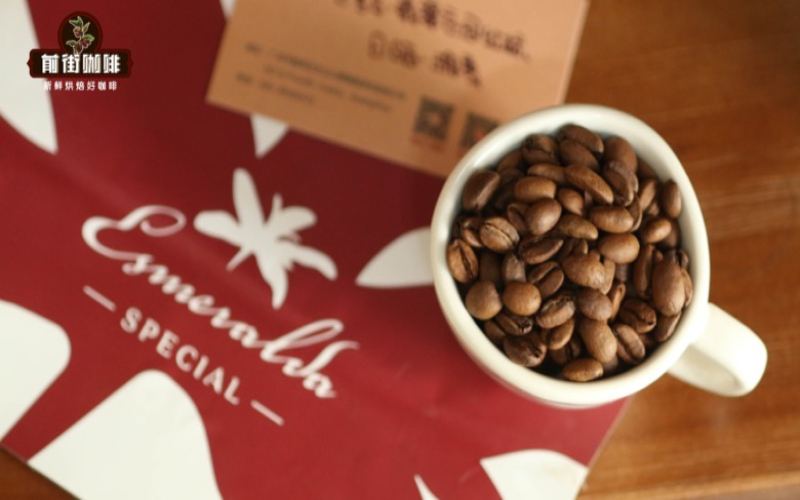
Pour-over Origins and Altitude vs. Flavor: Why High-Grown Beans Have More Prominent Sweetness and Acidity
The altitude of a coffee-growing region is one of the underlying variables that shape flavor in the cup. The same variety, processed the same way, can taste noticeably different depending on the altitude at which it is grown. Understanding how altitude affects flavor can help pour-over enthusiasts choose regional beans more precisely. The core advantage of high-altitude regions lies in the temperature difference between day and night. [more…]

Pour-Over Beans from High-Altitude Regions: Why Are Floral and Fruity Notes Clearer?
When drinking pour-over coffee, have you ever noticed a pattern: those beans with particularly clear floral and fruity notes often come from high-altitude origins. Between altitude and flavor lies a very interesting causal chain—once you understand it, your eye for choosing beans will become much sharper. The reason high-altitude growing regions produce good flavor is first of all temperature. [more…]
Yirgacheffe's Emerging Micro-Region Gedeb: An Analysis of the Pour-Over Flavor and Processing Techniques of High-Altitude Coffee Beans
Yirgacheffe has long become synonymous with African specialty coffee, and within this designated appellation, a micro-region called Gedeb is quietly rising. It is located in the Gedeo Zone, with an average altitude of 1,900 to 2,200 meters, far higher than the traditional Yirgacheffe region, giving the coffee beans a hard, dense texture and unique flavor. Gedeb's smallholder farmers send carefully picked coffee cherries to the Kochere processing station, where they are sun-dried on raised beds for 15 to 20 days, creating an elegant flavor interwoven with floral notes and berries. This article will take you deeper into Gedeb's regional characteristics, processing techniques, and its taste performance under pour-over and American-style brewing. Front Street Coffee recommends that you pay attention to this emerging region with outstanding value for money. [more…]
Hambela Region: The Source of Sweetness in Ethiopian High-Altitude Washed Coffees
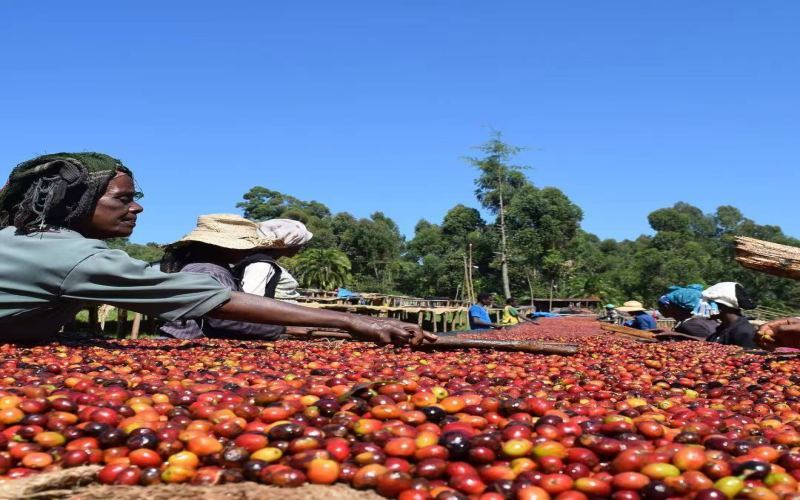
In the high-altitude growing regions of Ethiopia, the name Hambela has been mentioned frequently in recent years. It is located in the Guji region, and the Huakui coffee it produces has become popular for its rich fruity aroma, while the region's high-altitude environment is precisely an important source of sweetness. Where Hambela Is Located Hambela is situated in the high-altitude zone of the Guji region in southern Ethiopia, [more…]
Pour-Over Beans from High-Altitude Regions: Why Are Floral and Fruity Notes Clearer?
In the specialty coffee world, people often say that high altitude produces good beans, and the logic behind this actually has to do with the slow, high-mountain growth of coffee cherries. The higher the altitude, the lower the temperature, and the slower the coffee cherries ripen, so sugars and flavor compounds accumulate more fully, which shows up in the cup as clearer floral and fruity aromas and brighter acidity. Ethiopia's high-altitude growing [more…]
Hambela Region: The Source of Sweetness in Ethiopian High-Altitude Washed Coffees
In the high-altitude producing regions of Ethiopia, the name Hambela has often been mentioned in recent years. It is located in the Guji region, and the Gesha coffee it produces has become popular for its rich fruity aroma, while the region's own high-altitude environment is an important source of its sweetness. Where Hambela is located Hambela is situated in the high-altitude zone of the Guji region in southern Ethiopia, [more…]
Costa Rican Coffee Regions: History and Variety Characteristics: From Environmental Purification to High-Altitude Flavor Analysis
Costa Rica is an important representative of specialty coffee in Central America, renowned not only for its high-altitude growing regions but also for its emphasis on environmental protection during production. This article provides a comprehensive analysis of the flavor secrets of Costa Rican coffee, covering the history of the origin, representative estates, harvest periods, variety characteristics, and grading classifications. The article also introduces well-known growing regions such as Tarrazú and Central Valley, as well as La Pila Estate's non-washed processing and methane recycling. Front Street Coffee recommends a variety of Costa Rican beans, taking you to experience the unique acidity and aroma and consistent quality of high-altitude Caturra varieties. [more…]
An Analysis of Coffee Cultivation Altitudes in Colombia: How High Altitude Shapes the Premium Flavor of Coffee Beans
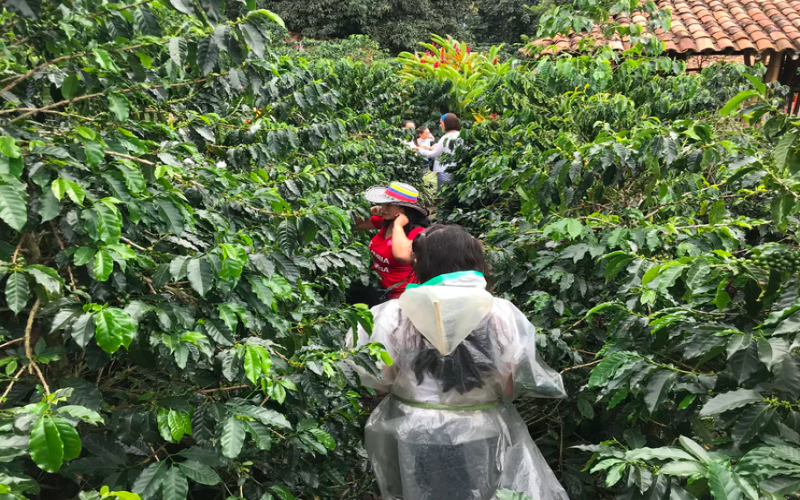
Colombia, as the world's second-largest coffee-producing country, is renowned for its washed Arabica coffee, which has a soft, sweet flavor with cocoa notes. Coffee quality is deeply influenced by factors such as altitude, soil, and climate, with growing altitude being particularly critical. This article will explore the growing altitude range of Colombian coffee in depth, analyze how high altitude affects the flavor and quality of coffee beans, and introduce the characteristics of specialty regions such as Huila, Cauca, and Nariño, as well as Front Street Coffee's recommended Colombian coffee products and brewing suggestions. [more…]
An In-Depth Analysis of Guatemala's Huehuetenango Region: From Geography and Terroir to the Coffee Bean Altitude Classification System
Guatemala is a major coffee-producing country in Central America, and its coffee is best known from two regions: Antigua and Huehuetenango. Starting from Guatemala's geographical environment, this article sorts out the reasons behind the formation of its seven major coffee-producing regions, with a focus on analyzing the relationship between the unique limestone soil, converging air currents, and coffee flavor of the Huehuetenango highlands, and systematically introduces the altitude grading standards for Guatemalan coffee beans. The article also mentions a rare micro-lot bean from this region at Front Street Coffee, showcasing the diverse possibilities of Huehuetenango coffee. [more…]
A Complete Guide to Ethiopian Coffee Bean Regions: Heirloom Flavors, Nine Major Regions, and Representative Beans
Ethiopia is the birthplace of coffee, with rich heirloom genetic resources and diverse producing regions. This article systematically reviews Ethiopia's nine major coffee regions, including Yirgacheffe, Sidama, Harar, Gimma, and Limu, explaining in detail each region's altitude, processing methods, variety characteristics, and flavor differences. It also introduces several representative Ethiopian beans from Front Street Coffee, such as naturally processed Yirgacheffe Bolifi, Sidama Zhuomang, and washed Gimma and Limu, helping coffee enthusiasts gain a comprehensive understanding of the regional flavors of Ethiopian coffee and how to choose beans. [more…]
A Complete Guide to Guatemalan Coffee: Terroir of Eight Major Regions, Grading System, and Classic Flavor Profile
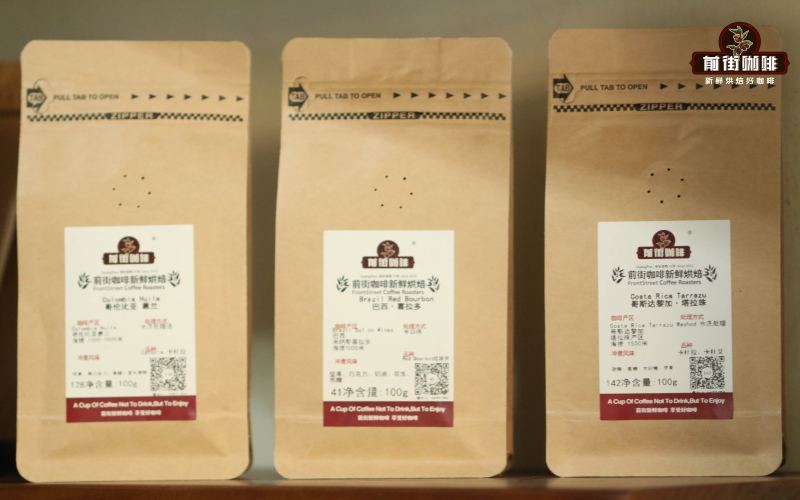
Guatemala is a major coffee-producing country in Latin America. Two-thirds of its territory consists of mountainous highlands, where volcanic soil and high-altitude microclimates together shape a classic flavor profile that combines fruity notes with a full-bodied richness. Among Front Street Coffee's daily drinking bean series, Guatemala Huehuetenango is a representative of this regional style. This article, from Front Street's cupping perspective, will outline Guatemala's geographical conditions, coffee-growing history, regional divisions, and altitude classification system, and, using the two major regions of Huehuetenango and Antigua as examples, present the specific information and brewing parameters of Front Street's Guatemalan coffee beans, helping coffee enthusiasts build a systematic understanding of Guatemalan coffee. [more…]

A Detailed Guide to the Flavor Differences and Grading System of Guatemala's Seven Major Coffee Regions: A Complete Guide from Antigua to Huehuetenango
Guatemala is one of the most important specialty coffee producing countries in Central America, known for its high-altitude volcanic terrain and fertile soil. The coffee it produces combines a rich, full-bodied taste with elegant fruity acidity. The country is divided into seven major coffee regions, each presenting a distinctly different flavor profile due to differences in climate, altitude, and soil conditions. This article will systematically review the historical origins of Guatemalan coffee and the complete process of the washed processing method, and analyze one by one the flavor characteristics and altitude distribution of producing regions such as Antigua, Acatenango Valley, Cobán Rainforest, San Marcos Volcano, Lake Atitlán, Huehuetenango Highlands, Fraijanes Plateau, and New Oriente. At the same time, Front Street Coffee will bring two representative Guatemalan beans — Antigua La Flor del Café and Huehuetenango — for coffee enthusiasts to refer to when purchasing. [more…]
A Complete Guide to Coffee Flavors Across the Americas: From Panama Geisha to Brazilian Bourbon
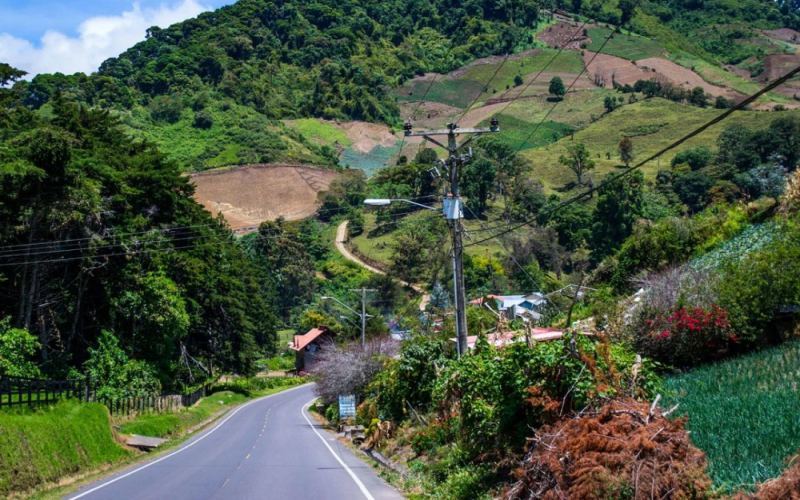
Central American coffee beans mostly grow at altitudes between 1,600 and 1,700 meters. The temperature difference between day and night at high altitudes extends the development cycle of the coffee fruit, which increases the density of the beans and makes them harder in texture. Through cupping, Front Street Coffee has found that Central American coffees generally present soft acidity, good cleanliness, and medium body. However, the flavor differences among producing countries are quite obvious. This article focuses on five well-known producing countries in Central and South America—Panama, Colombia, Costa Rica, Brazil, and Honduras—and reviews the terroir characteristics of each region and the flavor performance of representative coffee beans one by one. It also introduces information on products currently sold by Front Street, such as Geisha, Sidra, the Musician series, Red Bourbon, and Yellow Bourbon. [more…]
The Hidden Coffee Gem of South America: Peru — From Andean Terroir to the Flavor Code of Cajamarca Washed Geisha
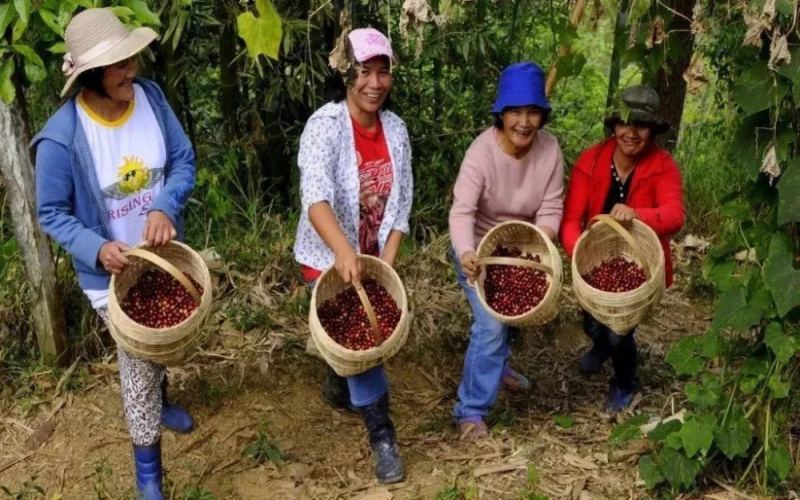
Among the many coffee-producing countries in South America, Peru is often overshadowed by the limelight of Colombia and Brazil, yet thanks to the high altitudes of the Andes, volcanic soil, and varied climate, it produces clean, mild specialty coffee with balanced acidity and sweetness. This article starts from Peru's geography and climate, sorts out the flavor differences among its three major producing regions—north, center, and south—analyzes the grading system centered on altitude and hardness as well as the washed processing method, and then steps into the northern specialty coffee stronghold of Cajamarca, where, through a washed Geisha sourced by Front Street Coffee, one can experience the captivating layers of white floral notes, prunes, and black tea. [more…]

A Complete Guide to Guatemalan Coffee Regions: Flavor Differences Between Antigua and Huehuetenango and Buying Advice
Guatemala is an important specialty coffee-producing country in Latin America, known for its bright fruit acidity and distinctive smoky note, and is called "cigarette coffee" by coffee lovers. This article systematically reviews Guatemala's coffee-growing history, the flavor characteristics of its eight major regions, grading standards, processing methods, and main varieties, with a key comparison of the differences between the two well-known regions of Antigua and Huehuetenango. It also introduces Front Street Coffee's Guatemala Huehuetenango staple beans and Antigua La Flor coffee beans currently on sale, with roasting curves and brewing parameters, providing a reference for coffee fans when purchasing and brewing. [more…]

A Complete Flavor Analysis of Latin American Coffee Regions: A Detailed Guide to Coffee Bean Cultivation and Processing in Panama, Colombia, Costa Rica, Brazil, and Honduras
The global coffee-growing belt can be divided into three major regions: Africa, Asia-Pacific, and Latin America, each presenting a distinctly different flavor profile. Front Street Coffee positions African beans by their fruity acidity and labels Asian beans by their herbal, full-bodied character, while Latin America stands out with its rich chocolate and nutty notes. This article focuses on the core producing countries of Central and South America, examining one by one the producing regions, altitude conditions, variety characteristics, and processing methods of Panama, Colombia, Costa Rica, Brazil, and Honduras, and, combined with the cupping performance of several single-origin beans currently sold by Front Street, presents the complete flavor map of Latin American coffee from soft acidity to rich sweetness. [more…]
How Does Bolivian Coffee Taste? Analyzing the Yungas Region's Java Variety and Cocoa Natural Processing Characteristics
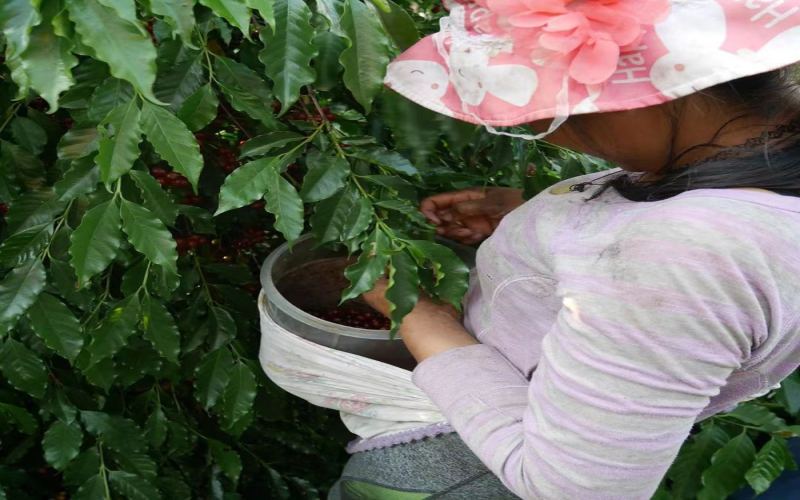
Bolivian coffee has always been a relatively obscure presence in the specialty coffee circle. High-altitude cultivation, rugged mountain road transport, and limited production make it difficult for it to enter the market on a large scale. But it is precisely this environment that creates the unique flavor expression of Bolivian coffee. The Yungas region, as the country's core coffee belt, has cultivation altitudes ranging from 1,500 to 2,500 meters, along with microclimates and fertile soil. This article will take you through the regional characteristics of Bolivian coffee, the origins of the Java variety, and the innovative cacao natural processing method of the Waliki Estate, while also sharing Front Street Coffee's roasting and brewing suggestions. [more…]
Flavor Analysis of the Top Ten Popular Coffee-Producing Countries: A Practical Guide from Bean Selection to Brewing
Faced with a dazzling array of coffee beans, many friends who are just getting into specialty coffee habitually rely on brand rankings to make decisions. But Front Street Coffee believes that a high or low ranking does not directly equate to superior or inferior quality—what truly matters is the freshness of the beans, their origin characteristics, and their processing method. Starting from the key points of selecting fresh coffee beans, this article sorts through the flavor characteristics of major producing regions one by one, including Ethiopia, Kenya, Panama, Colombia, Costa Rica, Indonesia, Yunnan in China, and Jamaica, and combines Front Street Coffee's specific products and brewing methods to help readers build their own bean-selection logic and find the cup that truly suits their taste. [more…]
Guatemalan Coffee Flavor and Origins Explained: Why Antigua La Flor's Smoky Acidity Is So Captivating
Guatemalan coffee has long been renowned for its bright fruit acidity and distinctive smoky aroma, standing out uniquely among Latin American producing regions. From the perspective of Front Street Coffee, this article systematically reviews the cultivation history of Guatemalan coffee, the flavor differences among the eight major producing regions, high-altitude growing conditions, hardness grading standards, washed and natural processing procedures, as well as the characteristics of main varieties such as Bourbon, Typica, Caturra, and Catuai. The article also provides detailed product information on Front Street Coffee's Huehuetenango daily drinking beans and Antigua La Flor del Café beans, along with the roasting curve and V60 brewing parameters for La Flor del Café, for the reference of coffee enthusiasts. [more…]
A Complete Analysis of African Coffee Origins, Flavors, and Processing Methods: Bean Characteristics of Ethiopia, Kenya, and Other Countries
As the continent of coffee's origin, Africa produces beans renowned worldwide for their bold aromas and lively fruit acidity. Due to arid climates, the natural process has become a traditional choice in many producing regions; while the bean shape may not be perfect, it gives rise to richly layered flavors. From Ethiopia's Yirgacheffe to Kenya's SL28, from Burundi's double washing to Rwanda's Bourbon, each producing region has a unique terroir expression. This article systematically reviews the cultivation patterns, processing techniques, and flavor characteristics of Africa's major coffee-producing countries, and introduces several representative African single-origin coffees from Front Street Coffee, guiding you to a deeper understanding of this continent's coffee charm. [more…]